
October 26, 2026
New fish: quarantine and acclimation step by step
How to bring new cichlids home without putting your tank at risk: what to check when buying, how to acclimate them and why a quarantine tank is worth it.
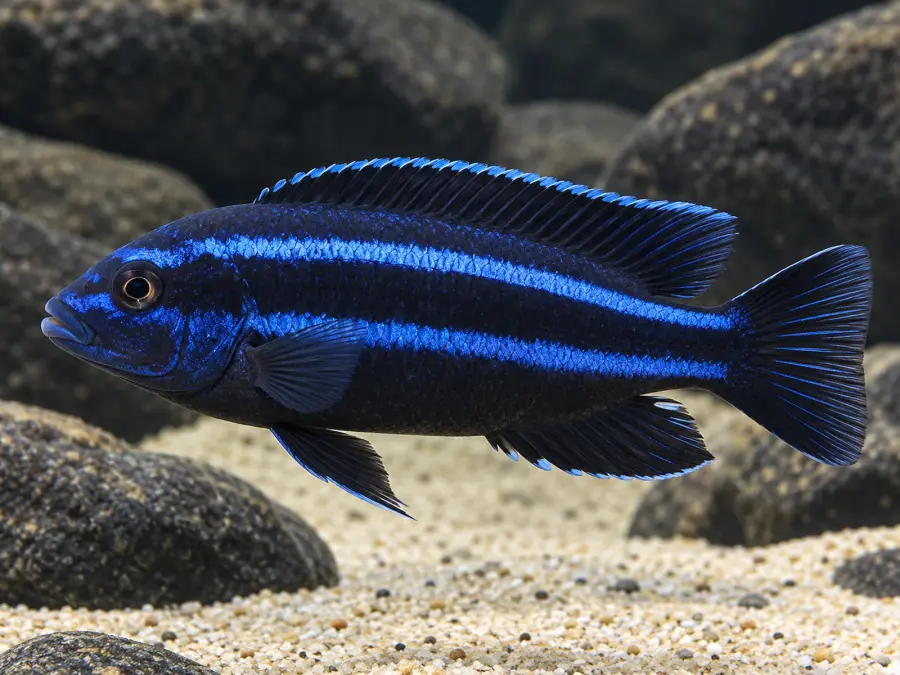
A new fish brings color, but it can also bring parasites or diseases you can't see on day one. A few simple steps protect the fish you already have and give the newcomer a better start.
Before you buy or trade
- Ask for real photos of the batch and, if you can, a short video: normal swimming, open fins and no odd spots.
- Ask about identification: species or bred variety, size, approximate age and, if known, the line. Our marketplace asks for that in every listing.
- Think about the group: a very territorial Chipokae is not the same as a calmer Dragon Blood. Read each species' profile before you decide.
The quarantine tank
A separate, simple tank where a new fish spends its first weeks. Many keepers use three to four weeks. It doesn't need elaborate decor:
- A mature filter (for example, a sponge that has been running in your main tank).
- A heater and a couple of hiding spots, like a pipe or a flowerpot.
- Water with the same pH, KH and temperature as the main tank.
During that time, watch whether it eats, how it breathes, and whether spots, clamped fins or flashing against surfaces appear. If something looks wrong, ask someone experienced or a vet who treats fish before medicating.
Acclimation, step by step
- Turn off the tank light to reduce stress.
- Float the closed bag for about 15 minutes to match the temperature.
- Add tank water to the bag or a bucket little by little, for example a cup every 5 minutes, for 30 to 45 minutes.
- Move the fish with a net. Avoid pouring the bag water into the tank.
- Don't feed on the first day; let it explore with the light off.
Moving to the main tank
With territorial cichlids, rearranging a few rocks as the new fish goes in helps "reset" territories and spreads out the attention. Watch the first few hours and have a plan B in case of constant chasing.
Log the arrival date and what you saw in My aquarium. And if you have questions, that's what the forum is for.
Discuss it in the forumMy aquarium
More from the blog
 November 2, 2026
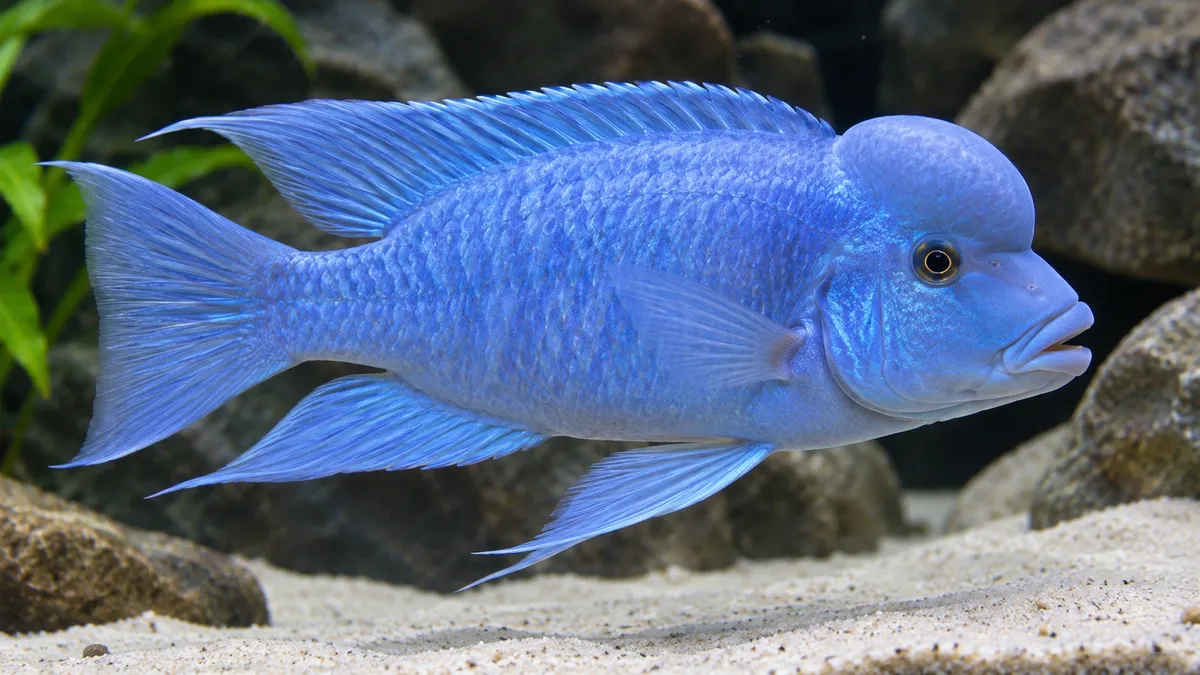
Blue Dolphin (Cyrtocara moorii): care, hump and calm temperament
Lake Malawi's humped blue cichlid: how big it gets, what tank and food it needs, how to sex it and why it is one of the most peaceful large cichlids.
Read →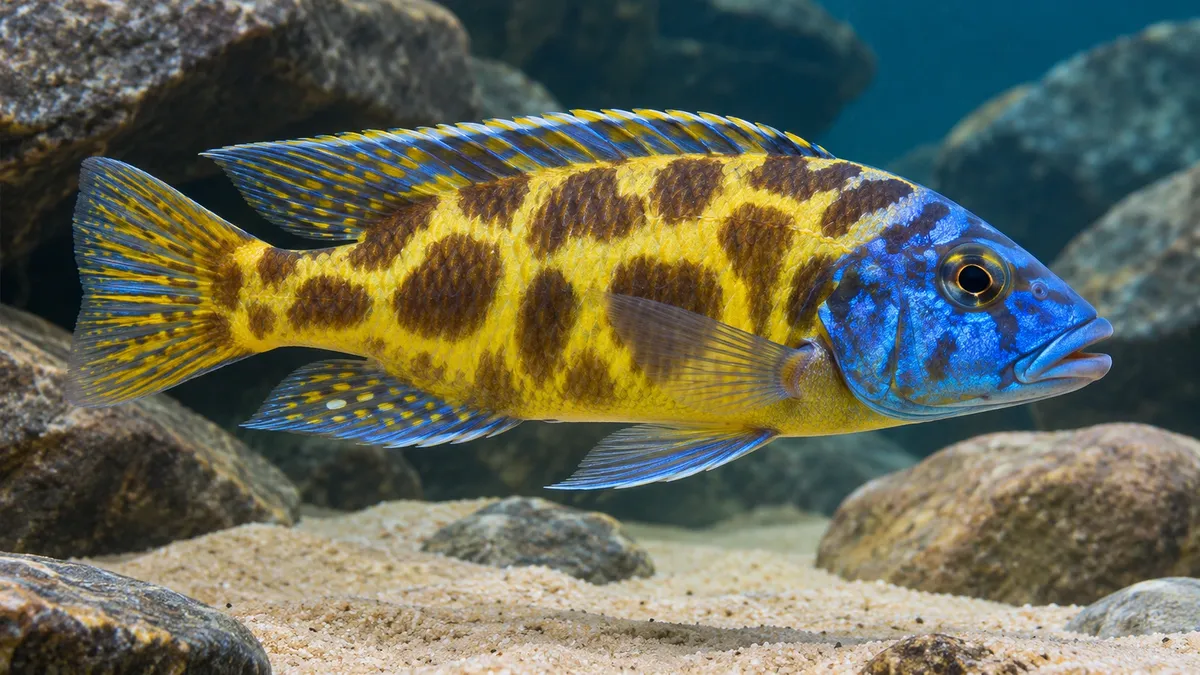 November 2, 2026
Venustus (Nimbochromis venustus): care, size and tank mates
Lake Malawi's giraffe cichlid: how big it gets, what tank it needs, what it eats, how to tell male from female and which fish can live with it without being eaten.
Read →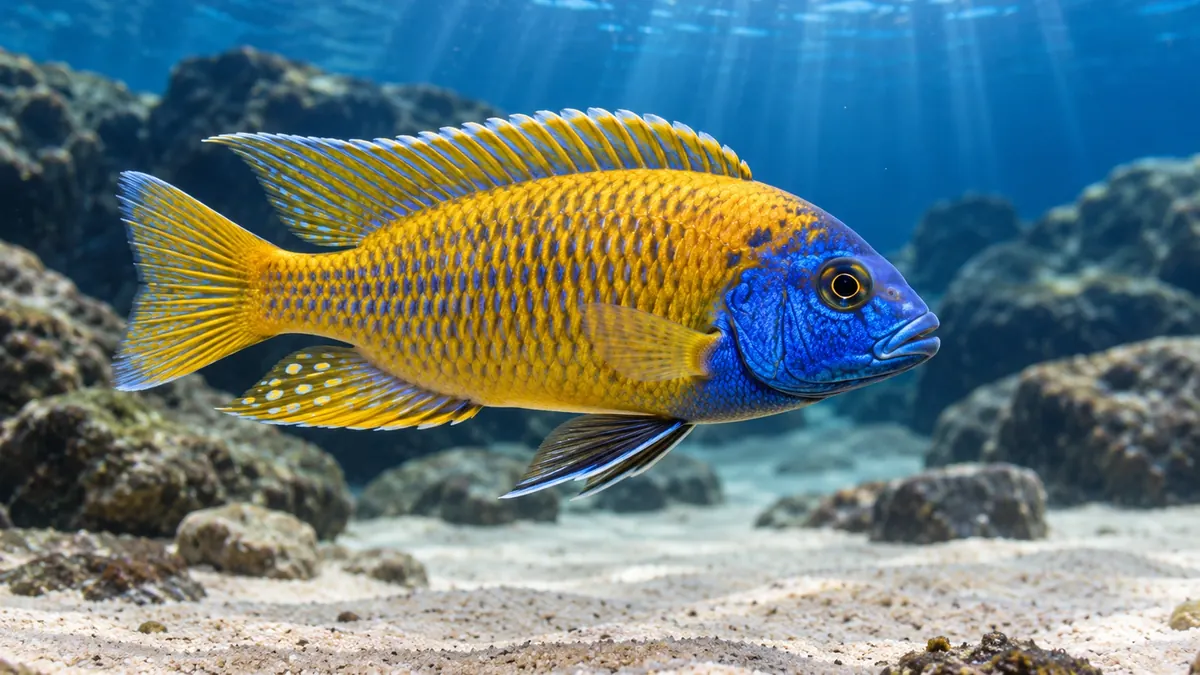 November 1, 2026
Benga peacock (Aulonocara baenschi): care, colors and tank mates
The yellow peacock with a blue face: size, tank, diet, male and female differences, and how to build a calm peacock tank.
Read →